
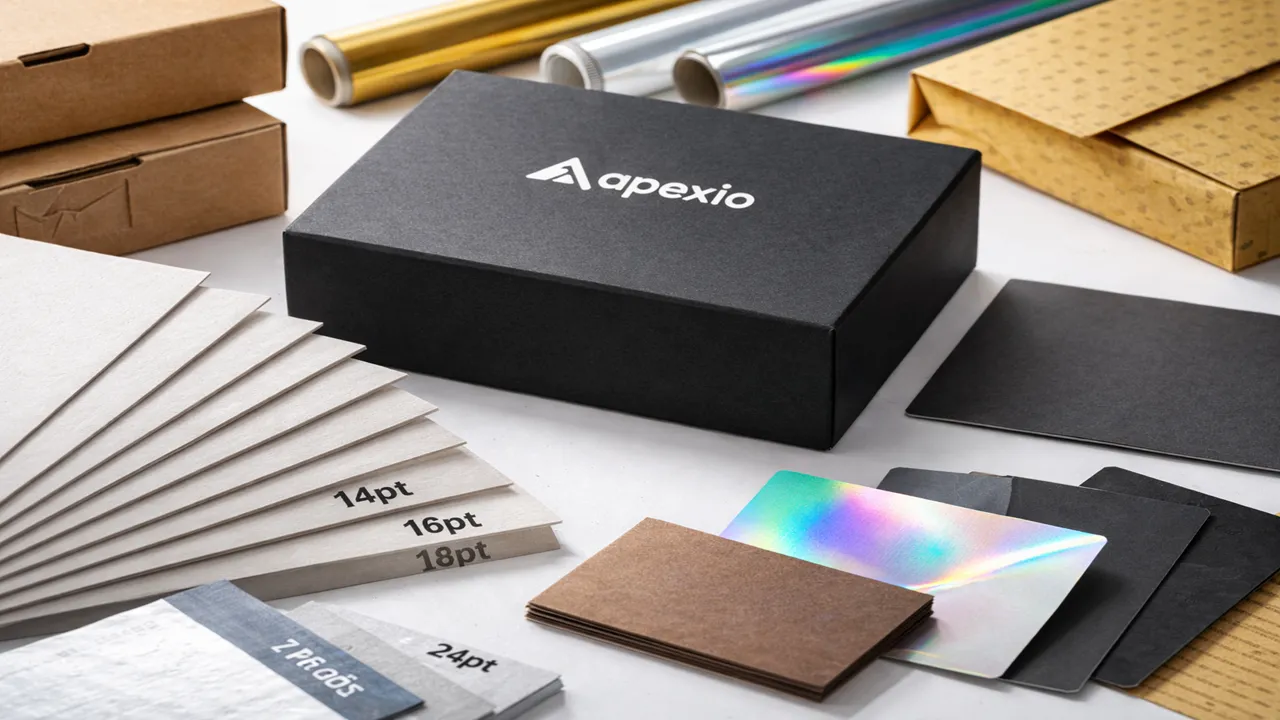
Packaging is no longer just a way to protect products during shipping. In today’s competitive market, custom packaging plays a critical role in branding, marketing, and customer experience. From retail shelves to ecommerce deliveries, the right packaging design can influence buying decisions and strengthen brand recognition.
Businesses across industries now invest in high-quality packaging materials, creative printing techniques, and premium finishing options to make their products stand out.
Why Packaging Matters for Your Brand
Your packaging is often the first physical interaction customers have with your product. A well-designed box creates a strong first impression and communicates professionalism, quality, and trust.
Effective packaging helps businesses:
- Build a strong brand identity
- Improve product protection during shipping
- Enhance shelf appeal in retail environments
- Increase customer satisfaction and unboxing experience
- Encourage repeat purchases and brand loyalty
For e-commerce brands especially, packaging acts as a powerful marketing tool because it directly reaches the customer’s hands.
Choosing the Right Packaging Materials
Selecting the right packaging material is essential to ensure durability, cost efficiency, and product safety.
Some of the most commonly used packaging materials include:
Corrugated Cardboard
Corrugated materials like E-flute and B-flute cardboard are widely used for shipping boxes and retail packaging. They offer excellent strength while remaining lightweight and cost-effective.
Kraft Paper Packaging
Kraft paper packaging is known for its eco-friendly and sustainable qualities. Many brands prefer brown or white kraft materials to create environmentally responsible packaging solutions.
Cardstock
Cardstock is commonly used for product boxes, cosmetic packaging, retail packaging, and promotional materials. Different thickness levels, such as 14pt, 16pt, 18pt, and 24pt cardstock, provide varying levels of rigidity and a premium feel.
Premium Packaging Finishing Options
Modern packaging design often includes premium finishes that enhance visual appeal and create a luxury experience.
Foil Stamping
Foil stamping adds a metallic shine to logos and graphics using finishes like gold, silver, copper, or holographic foil. This technique instantly increases the perceived value of the packaging.
Embossing and Debossing
These techniques create 3D texture effects on packaging. Embossing raises the design, while debossing presses it into the material, adding elegance and depth.
Spot UV
Spot UV coating highlights specific design elements with a glossy finish, creating contrast against matte surfaces.
Protective Packaging Lamination
Lamination is applied to improve both the appearance and durability of printed packaging.
Common lamination types include:
- Matte Lamination – Elegant, smooth, non-glossy finish
- Gloss Lamination – Bright shiny coating that enhances colors
- Velvet Lamination – Soft-touch luxury feel for premium packaging
- Uncoated Paper – Natural eco-friendly packaging option
These coatings help protect packaging from scratches, moisture, dust, and wear during transportation.
The Role of Packaging in Customer Experience
Today’s consumers value more than just the product — they also care about the experience of receiving it. Unique packaging designs and premium finishes create a memorable unboxing experience that customers often share on social media.
Brands that invest in creative packaging can benefit from:
- Increased brand exposure
- Higher perceived product value
- Stronger emotional connection with customers
Future Trends in Packaging
The packaging industry continues to evolve as businesses look for more innovative solutions. Some key trends shaping the future of packaging include:
- Sustainable and recyclable packaging materials
- Minimalist packaging designs
- Smart packaging with QR codes or digital interaction
- Premium finishing for luxury product presentation
Companies that adopt these trends can stay ahead of competitors and build stronger relationships with their customers.
Conclusion
Packaging is a vital part of any product strategy. The right combination of durable materials, creative design, and premium finishing techniques can transform simple packaging into a powerful branding tool.
Whether you are launching a new product or upgrading your existing packaging, investing in high-quality custom packaging solutions can help your business stand out in today’s competitive market.